This blog was written by Clare Foster, Cyber Exercise Planner, and Chat GPT-4o (9x faster than ChatGPT -3.5 Nov 22)
AI offers many benefits, such as enhancing productivity, efficiency, problem-solving, and convenience across industries. Here's how it helps across different industries:
In manufacturing, it boosts efficiency by automating tasks - allowing workers to focus on innovation.
In healthcare, it analyses data for disease prediction and personalized treatment.
In environmental science, it aids in climate modelling and biodiversity monitoring.
AI also enhances daily life through smart devices and tailored recommendations.
Despite challenges like ethics and job displacement, AI's positive impact on society is significant.
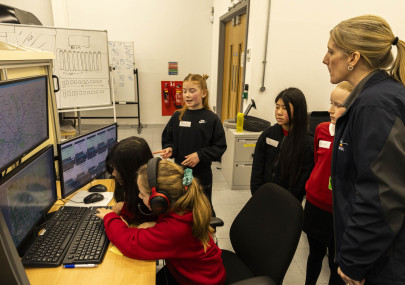
Our Cyber Division recently used AI to generate two fictitious characters as part of a scenario for a tabletop exercise that they delivered at Landmark House. This ensured that any reference to a situation is not a reflection on any ‘real’ individual. If you’re stuck for ideas, with a few key words, AI can generate a skeleton outline for you to build upon, giving you the kickstart you need.
Efficiency and Automation
Increased productivity. AI automates repetitive tasks, freeing up human resources for more complex and creative work.
24/7 operations. AI systems can operate continuously without the need for breaks or rest, ensuring constant productivity.
Enhanced decision making
Data analysis: AI processes vast amounts of data quickly, identifying patterns and insights that humans may miss.
Predictive analysis: It can forecast trends and behaviours, helping businesses to make informed decisions.

Improved customer experience
Personalisation: AI tailors recommendations and services, based on individual preferences and behaviours.
Chatbots and virtual assistants: It can provide instant customer support, enhancing user satisfaction and engagement.
Cost savings
Reduced operational costs: Automation of tasks leads to lower labour costs and increased efficiency.
Optimised resource management: AI optimises supply chains, inventory and other resources - reducing waste and costs
Innovation and creativity
New product development: It will assist in the design and creation of new products and services.
Enhanced creativity: AI tools can generate ideas and assist in creative processes - from art, to music composition,
Healthcare advancements
Diagnostics and treatment: AI improves accuracy in diagnostics and creates personalised treatment plans.
Drug discovery: Accelerates the development of new drugs and therapies through data analysis and simulations.
Enhanced security
Cybersecurity: AI systems can detect and respond to security threats in real-time, protecting sensitive information.
Fraud detection: It can identify unusual patterns and behaviours, helping to prevent fraud in a wide range of industries.
Environmental impact
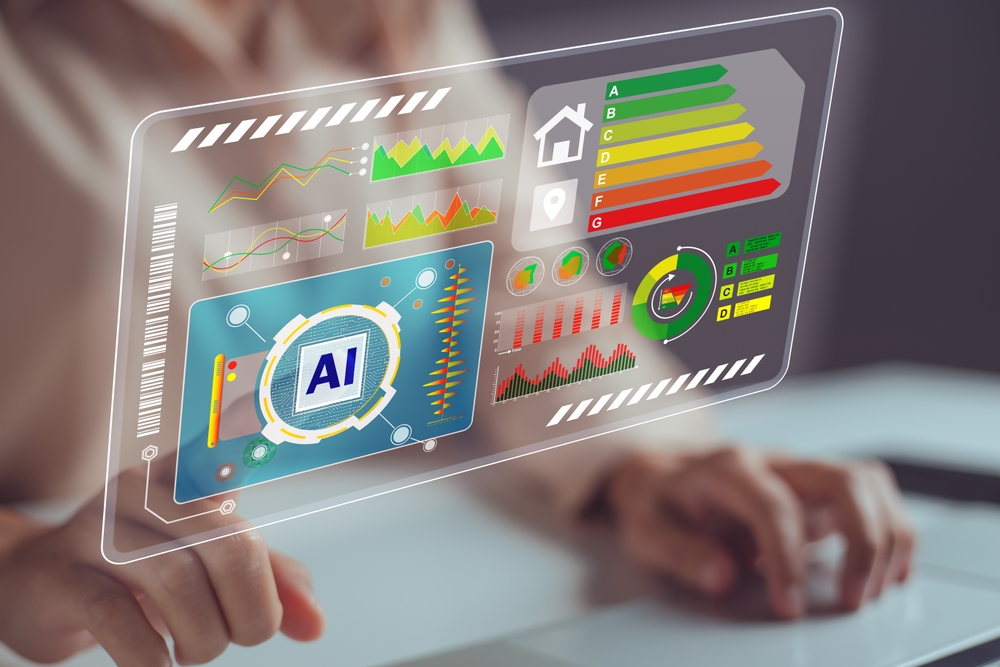
Energy efficiency: AI optimises energy usage in buildings, reducing carbon footprints.
Climare change mitigation: AI models can predict environmental changes and help to plan more sustainable practices.
Whilst concerns have been raised as to the future regulation of AI and the potential risks it could pose, it also contributes many positive aspects that should not be overlooked. Done correctly, AI holds a lot of potential for creating a better world; however humans must ensure that it remains under complete control.
To find out more how to stay safe online with AI, visit our previous blog.